
New Construction vs. Existing Homes: Which Is Right for You?
Buying a home is about much more than choosing a floor plan or falling in love with a particular kitchen.
In this article, you'll learn how new construction and existing homes differ in ways that extend beyond appearance, including cost, maintenance, location, customization, timelines, resale considerations, and lifestyle. The goal isn't to convince you that one option is better than the other, but to help you understand the tradeoffs so you can make a decision that fits your priorities.
New Construction vs. Existing Homes: Looking Beyond the Surface
One of the first major decisions many buyers face isn't which house to purchase. It's deciding what type of home they're looking for in the first place.
Should you purchase a brand-new home that's never been lived in, or should you look for an existing home in an established neighborhood?
It's a question with no universal answer because the "better" choice depends entirely on what matters most to you.
Some buyers dream of being the first person to unlock the front door, while others appreciate the character, mature landscaping, and established feel of older neighborhoods. Some value customization. Others value location. Some prioritize low maintenance, while others enjoy updating a home over time.
Understanding these differences before you begin your search can make the entire buying process feel more focused and far less overwhelming.
Understanding What "New Construction" Really Means
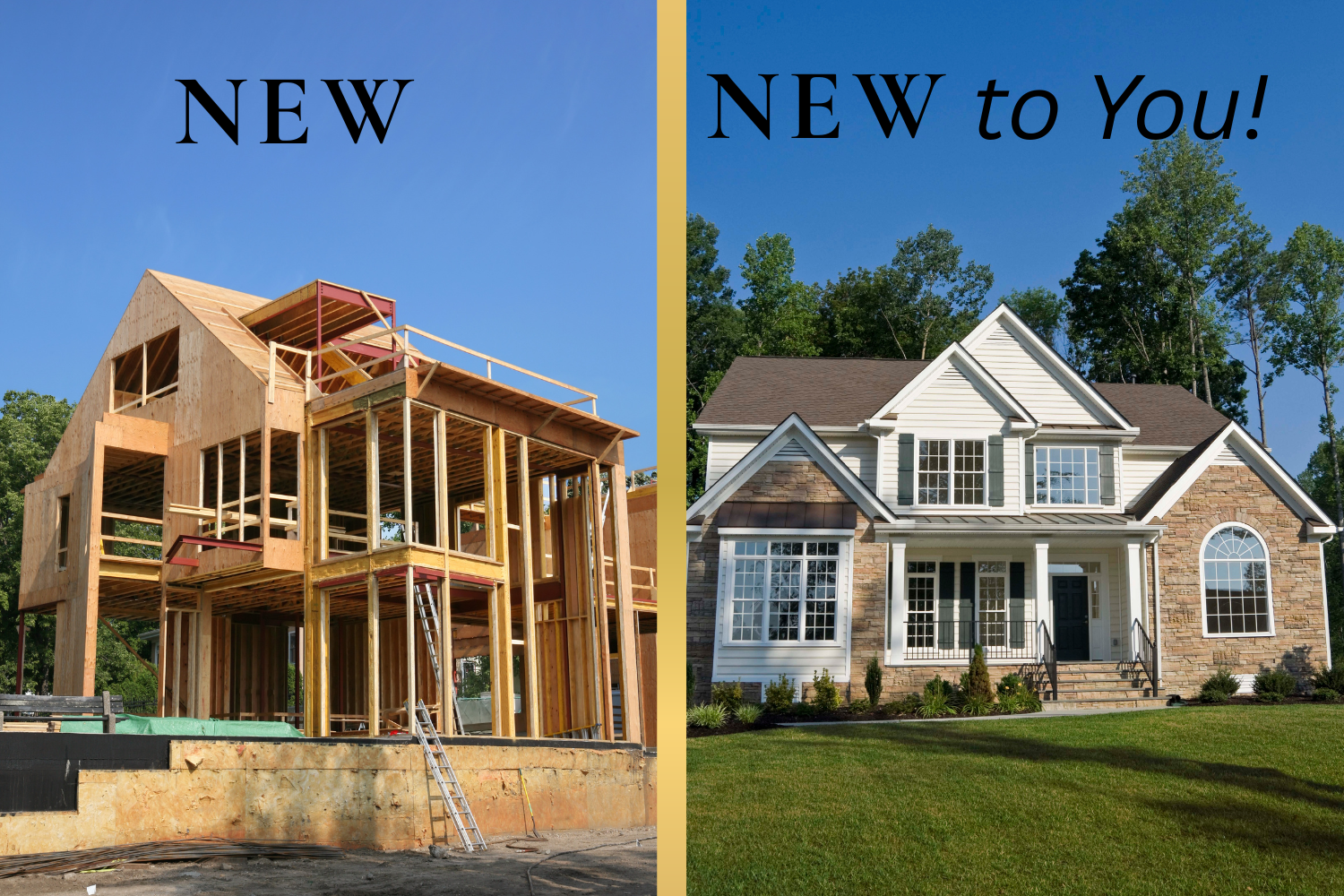
New construction generally refers to homes that have recently been built and have not previously been occupied. These homes may be part of a large planned community, a smaller neighborhood development, or occasionally built on an individual lot.
Not every new construction purchase looks the same.
Some buyers purchase early in the construction process and choose flooring, cabinets, countertops, paint colors, lighting, and other finishes. Others purchase homes that are already completed or nearly complete, limiting the amount of customization available.
The builder, community, construction timeline, and available upgrades can all vary significantly from one development to another. Even two neighborhoods built by the same company may offer different features, amenities, warranties, and pricing structures.
What Defines an Existing Home?
Existing homes are properties that have had one or more previous owners. They may be only a few years old or they may have been standing for decades.
One of the biggest advantages of existing homes is variety.
Instead of selecting from one builder's floor plans, buyers often have access to a wide range of architectural styles, lot sizes, neighborhood settings, and home layouts. Existing homes may also include improvements made by previous owners, such as finished basements, patios, fencing, mature landscaping, or custom built-ins.
Of course, previous ownership also means every home has its own maintenance history. Some have been meticulously cared for. Others may require repairs or updates. That's why inspections and careful evaluation become such an important part of the buying process.
Price Is Only Part of the Financial Picture
Many buyers begin by comparing purchase prices, but the true cost of owning a home extends well beyond the listing price.
New construction often includes modern materials, updated building methods, and newer mechanical systems. That can mean fewer immediate maintenance expenses during the first several years of ownership, although every home is different and no home is completely maintenance free.
Existing homes may have a lower purchase price in some markets, but they could also require future repairs or updates depending on their age and condition.
It's also worth remembering that builder upgrades can increase the final purchase price of a new home. Features displayed in model homes are sometimes optional rather than standard, and those selections can add up quickly.
Rather than focusing only on the sticker price, many buyers benefit from looking at the overall cost of ownership over time.
A trusted lender can help you understand financing options, monthly payment estimates, and how different purchase prices may affect your long-term budget.
Maintenance Expectations Can Be Different
Every home requires ongoing care.
The difference is often when those maintenance needs occur rather than whether they exist at all.
New homes generally begin with newer roofs, HVAC systems, appliances, plumbing, windows, and electrical components. Since these major systems are new, buyers may experience fewer significant repairs during the early years of ownership, though regular maintenance remains important.
Existing homes may already have aging systems that will eventually need replacement. The timing depends on the home's age, maintenance history, climate, materials, and many other factors.
This doesn't make existing homes a poor choice. Many older homes have been thoughtfully maintained and updated over the years. Others may present opportunities for buyers who are comfortable making improvements gradually.
A professional home inspection helps buyers better understand the current condition of an existing property, while buyers of new construction should also understand what inspections may occur during the building process and before closing.
Customization Versus Established Character
One of the biggest attractions of new construction is personalization.
Depending on the stage of construction, buyers may have opportunities to select flooring, cabinetry, countertops, paint colors, fixtures, lighting, and other design elements. For many people, creating a home that reflects their personal style is an exciting part of the experience.
Existing homes offer something different.
Rather than starting with a blank canvas, they often come with architectural details, mature trees, established landscaping, larger lots, unique craftsmanship, or neighborhood charm that would be difficult to recreate today.
Some buyers love the clean simplicity of modern design.
Others appreciate the personality and history that older homes often provide.
Neither preference is more correct than the other. It simply reflects what feels most like home to you.
Neighborhoods Tell Their Own Story
Sometimes buyers become so focused on the house itself that they overlook the surrounding community.
New construction is frequently located in developing areas where additional homes, roads, schools, retail centers, parks, and businesses may continue to be built over several years.
For some buyers, that's exciting because they're joining a growing community with modern amenities.
Others prefer established neighborhoods where the trees have matured, traffic patterns are familiar, nearby businesses are already operating, and the overall character of the area has had time to develop.
As you explore different homes, it's worth spending just as much time evaluating the neighborhood as you do evaluating the property itself.
Timelines May Influence Your Decision
When do you need to move?
The answer to that question can significantly influence your options.
An existing home may allow for a relatively straightforward purchase timeline, depending on the seller's circumstances and the terms of the contract.
New construction timelines, however, can vary considerably. Some homes are move-in ready, while others may still be months away from completion. Construction schedules can also be influenced by weather, labor availability, material deliveries, inspections, and other factors outside anyone's control.
If your move involves a job relocation, school schedule, lease expiration, or the sale of another property, discussing timing early in the process can help you determine which options best align with your needs.
Warranties and Inspections
Many buyers associate new construction with fewer concerns because everything is brand new.
While new homes often include builder warranties covering certain components for specified periods, it's still important for buyers to understand exactly what those warranties include, what they exclude, and how warranty claims are handled.
Likewise, inspections continue to play an important role.
Many buyers choose to have independent inspections performed on new construction in addition to any inspections required by the builder or local jurisdiction. Existing homes typically include inspections as part of the due diligence process, helping buyers better understand the property's current condition before moving forward.
Each transaction is unique, so it's helpful to discuss inspection options and warranty information with the appropriate professionals involved in your purchase.
Think About Your Lifestyle, Not Just Today's Needs
Buying a home is often one of the longest financial commitments many people make.
While no one can predict exactly what life will look like years from now, it can be helpful to think beyond your immediate needs.
Will the home's layout continue to work if your household changes?
How important is commuting time?
Do you value walkability?
Would you rather spend weekends maintaining a yard or enjoying neighborhood amenities?
How much flexibility do you want to renovate or personalize over time?
These questions don't have right or wrong answers, but they can help reveal which type of home better supports the life you're hoping to build.
Questions to Consider
As you compare new construction and existing homes, consider asking yourself:
- Which matters more to me: customization or neighborhood character?
- Am I comfortable taking on future renovation projects, or would I rather start with newer systems and finishes?
- How important is my move-in timeline?
- What features are essential versus simply nice to have?
- Have I considered both the purchase price and the long-term costs of ownership?
- Which type of neighborhood best fits my lifestyle today and in the years ahead?
The Right Choice Is the One That Fits You
The conversation between new construction and existing homes isn't really about determining a winner.
It's about understanding priorities.
Some buyers will happily trade mature trees for brand-new finishes. Others will gladly give up customization for a neighborhood filled with character and established homes.
The best decision usually comes from understanding the complete picture rather than focusing on a single feature or price point.
When you understand the strengths, limitations, and tradeoffs of each option, you're in a much stronger position to evaluate homes with confidence and ask thoughtful questions throughout the buying process.
Let's Talk
If you're trying to decide whether new construction or an existing home better fits your goals, I'd be happy to help you explore both options. Together, we can discuss your priorities, compare what's available in today's market, and connect you with trusted professionals, such as lenders, inspectors, builders, or other specialists, whenever additional expertise is needed.
A well-informed decision starts with a good conversation, and I'd be honored to be part of yours.
---
Real Estate With Long-Term Vision.
Ri The Realtor
Important Disclosure
The information in this article is provided for general educational purposes only.
Every home and every situation is unique. This article is intended to provide general information and should not be considered legal, tax, financial, engineering, construction, or other professional advice.
If your situation requires specialized guidance, I'm happy to connect you with trusted local professionals who can provide advice specific to your circumstances.