
Seasonal Home Maintenance: A Homeowner's Planning Checklist
Owning a home means caring for one of the largest investments many people will ever make.
In this article, you'll learn why seasonal maintenance matters, how approaching home care one season at a time can make it more manageable, which areas of a home deserve regular attention throughout the year, and when it's wise to involve qualified professionals. Rather than providing technical repair instructions, this guide is designed to help homeowners develop a thoughtful maintenance mindset that supports both the home's condition and long-term value.
---
## A Home Is Never Truly "Finished"
The day you receive the keys to a home often feels like the finish line. In reality, it's the beginning of an ongoing relationship.
Unlike many possessions that remain relatively unchanged over time, a home is constantly responding to its environment. Sunlight fades exterior finishes. Rain tests roofing and drainage systems. Wind loosens materials. Seasons bring expansion, contraction, moisture, heat, freezing temperatures, pollen, leaves, insects, and countless other natural forces that quietly affect a home's condition.
Most maintenance issues don't appear overnight. They develop gradually, often beginning as something so small that it goes unnoticed. A clogged gutter may eventually contribute to water intrusion. A tiny crack in exterior caulking may slowly allow moisture behind siding. An HVAC system that hasn't been serviced may simply become less efficient before any obvious breakdown occurs.
The encouraging news is that many larger repairs can be reduced or even avoided through consistent observation and routine maintenance. The goal isn't perfection. It's awareness.
Thinking seasonally can make home care feel far less overwhelming.
Why Seasonal Maintenance Makes Sense
Trying to remember every maintenance task at once is difficult. Breaking responsibilities into seasons creates a natural rhythm that aligns with the way homes experience changing weather conditions.
Each season presents different stresses.
Spring often reveals what winter left behind.
Summer is an opportunity to prepare exterior surfaces before harsher weather returns.
Autumn becomes the season for clearing, cleaning, and preparing for colder temperatures.
Winter shifts attention toward protecting plumbing, heating systems, and monitoring how the home performs during freezing conditions.
Not every home requires the same maintenance. Age, location, climate, landscaping, construction materials, and even surrounding trees all influence what deserves attention.
Rather than viewing seasonal maintenance as a rigid checklist, it can be helpful to think of it as four opportunities each year to simply check in with your home.
Spring: Looking for Winter's Footprints
As temperatures begin to rise, spring becomes a natural time to evaluate how the home weathered the colder months.
Winter can be surprisingly hard on exterior materials. Freeze-and-thaw cycles may affect concrete, driveways, masonry, walkways, and foundations. Heavy snow or ice in some regions can also place additional stress on roofing and gutters.
A careful walk around the property often reveals small changes that deserve attention.
Homeowners commonly use spring as an opportunity to observe areas such as:
- Roofing from ground level for obvious damage or missing shingles.
- Gutters and downspouts for debris or proper drainage.
- Exterior siding, trim, brick, or stucco for visible deterioration.
- Windows and doors for damaged caulking or weather sealing.
- Decks, patios, railings, and steps for signs of wear.
- Landscaping that may affect drainage or touch the home's exterior.
Spring is also a common time for HVAC servicing before warmer weather arrives. While the maintenance itself should be performed according to manufacturer recommendations and by qualified professionals when appropriate, scheduling inspections before peak summer demand often provides peace of mind.
Perhaps most importantly, spring encourages homeowners to simply look more closely. Small observations today often become useful conversations tomorrow if repairs are eventually needed.
Summer: Protecting What You Can See
Longer days make summer an ideal season for exterior projects and visual inspections.
This doesn't necessarily mean undertaking major renovations. Instead, summer often provides the best opportunity to preserve what already exists.
Paint, wood trim, fencing, decks, concrete surfaces, irrigation systems, outdoor lighting, and landscaping all benefit from occasional attention before weather becomes less cooperative.
Summer is also when homeowners often notice subtle changes that are easy to miss during colder months.
Perhaps an irrigation system isn't covering certain areas evenly. Maybe exterior paint has begun to fade or crack. A retaining wall may show signs of shifting. Tree branches might now be hanging closer to the roof than they did the previous year.
Many of these observations don't require immediate action, but they become valuable information for planning future maintenance.
Homeownership is often less about reacting to emergencies and more about noticing gradual change over time.
Fall: Preparing the Home for Colder Weather
For many homeowners, autumn is one of the most important maintenance seasons.
Leaves begin falling. Temperatures fluctuate. Heating systems return to regular use. Rain becomes more frequent in many regions, and winter is just around the corner.
Fall preparation often focuses on helping the home handle colder weather with fewer surprises.
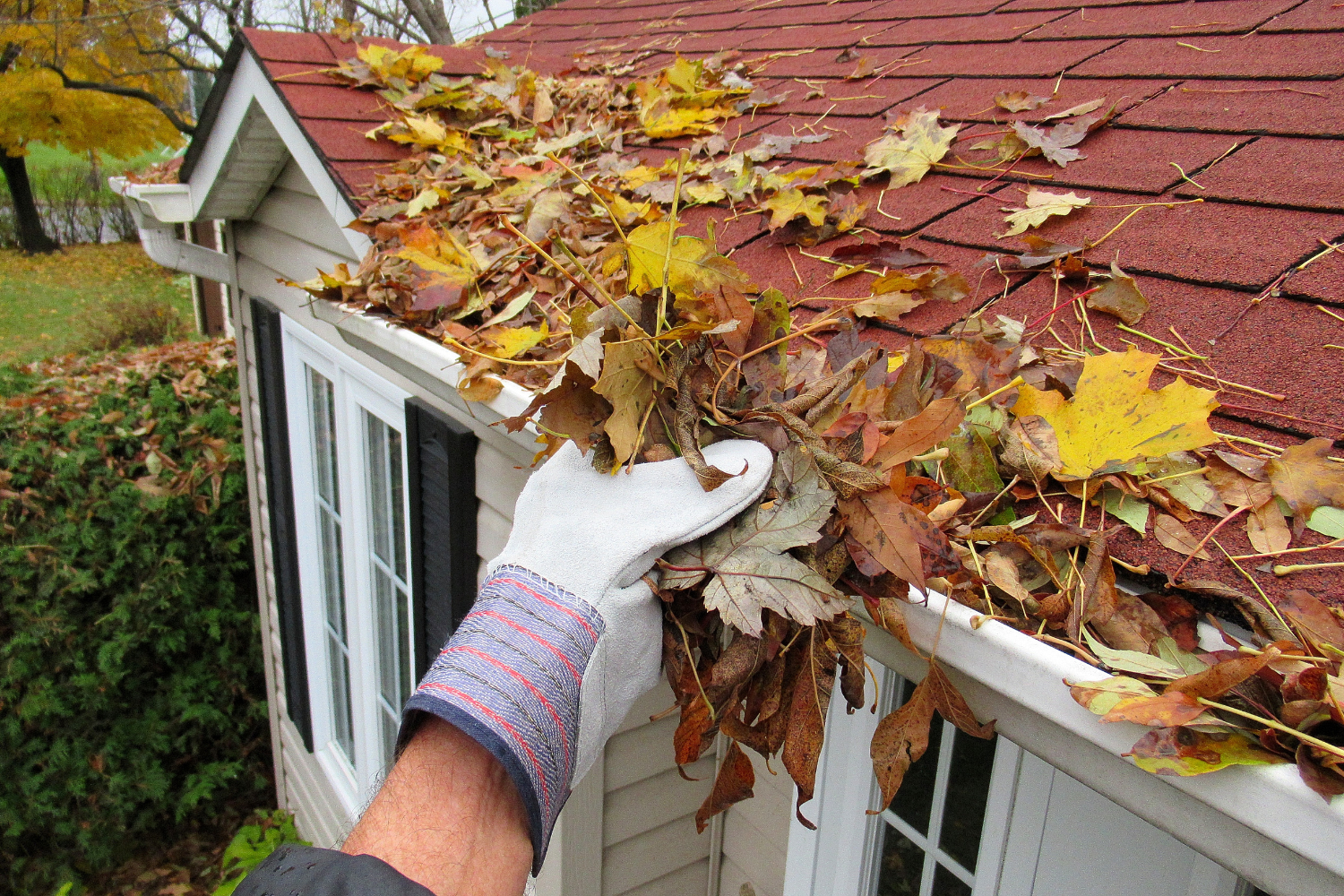
This may include clearing leaves from gutters, checking drainage around the property, trimming branches that could pose risks during winter storms, examining weather stripping around doors and windows, and ensuring exterior water sources are prepared for freezing temperatures where applicable.
Heating systems also receive more attention during this time. Many homeowners schedule routine servicing before temperatures drop significantly, helping ensure systems are operating efficiently before they become essential.
Fall is less about fixing everything and more about preparing the home for the season ahead.
Winter: Paying Attention to How the Home Performs
Winter maintenance often looks different because many tasks become observational rather than project-based.
Cold weather reveals how well a home is functioning.
Do certain rooms become noticeably colder than others?
Are windows developing excessive condensation?
Does ice consistently form in one section of the roof?
Are drafts appearing around doors that seemed perfectly sealed in autumn?
These observations can provide valuable clues about insulation, ventilation, air sealing, moisture management, or heating performance.
Winter is also a reminder to remain aware of plumbing located in vulnerable areas, monitor heating equipment according to manufacturer guidance, and address unusual issues promptly before they become larger problems.
Rather than viewing winter as a season with little to do, it can become one of the most informative times to understand how a home truly performs.
Maintenance Is Also Financial Planning
One aspect of homeownership that often receives less attention is the financial side of maintenance.
Every home will eventually require repairs.
Roofs age.
Appliances wear out.
HVAC systems reach the end of their useful life.
Water heaters eventually need replacement.
Exterior finishes require renewal.
These realities aren't signs that something has gone wrong. They're simply part of owning property.
Many homeowners find it helpful to think about maintenance as an expected long-term expense rather than an unexpected inconvenience. Planning ahead for future repairs can make major projects feel more manageable when they eventually arise.
This doesn't mean replacing items before they're needed. Instead, it means recognizing that every component has a lifespan and preparing financially for that reality over time.
Knowing When to Call a Professional
One of the most valuable skills a homeowner can develop isn't knowing how to repair everything.
It's knowing when a qualified professional should become involved.
Some maintenance tasks are simple observations or routine upkeep. Others require specialized knowledge, equipment, licensing, or safety training.
Electrical systems, structural concerns, roofing work, HVAC repairs, plumbing issues, pest concerns, drainage problems, and foundation movement are just a few examples where professional evaluation may be appropriate.
Seeking expert guidance early often provides more information, better planning, and greater confidence in the decisions that follow.
As a REALTOR®, one of the most helpful things I can often do is connect homeowners with trusted local professionals who specialize in these areas.
Your Home Has Its Own Story
No two homes age exactly alike.
A home built in the 1960s has different maintenance considerations than one completed last year. A house surrounded by mature trees experiences different conditions than one in a newer neighborhood. Coastal environments, rural properties, and suburban communities each create unique maintenance needs.
That's why no universal checklist fits every property.
The best maintenance plan is one that grows with your home. As you live in it, you'll begin noticing its patterns, learning its seasonal rhythms, and understanding where it benefits from the most attention.
Over time, maintenance becomes less about reacting to problems and more about becoming familiar with the place you call home.
Questions to Consider
- Which areas of your home haven't been closely observed in the past year?
- Do you have a simple system for remembering seasonal maintenance tasks?
- Are there larger home components that may be approaching the end of their expected lifespan?
- Do you know which maintenance tasks you're comfortable handling yourself and which should be evaluated by qualified professionals?
- If you needed a trusted contractor tomorrow, do you already have someone you would call?
Looking at the Bigger Picture
Seasonal home maintenance isn't about creating more work. It's about creating more awareness.
Homes naturally change over time, and regular observation helps homeowners recognize those changes before they become larger concerns. By viewing maintenance as an ongoing process instead of a series of emergencies, homeowners can better protect their investment, plan for future expenses, and enjoy greater confidence in the place they call home.
You don't need to know everything about construction, engineering, or every mechanical system in your house. What matters most is developing the habit of paying attention and knowing when to bring the right professionals into the conversation.
Let's Talk
Whether you've owned your home for decades or recently received the keys, questions are a normal part of homeownership. If you're wondering how maintenance history may affect your home's value, preparing to sell in the future, or simply looking for trusted local professionals for a particular project, I'd be happy to help point you in the right direction.
Real estate is about more than buying and selling homes. It's about helping people make informed decisions throughout every stage of homeownership.
Real Estate With Long-Term Vision.
Ri The Realtor
Important Disclosure
The information in this article is provided for general educational purposes only.
Every home and every situation is unique. This article is intended to provide general information and should not be considered legal, tax, financial, engineering, construction, or other professional advice.
If your situation requires specialized guidance, I'm happy to connect you with trusted local professionals who can provide advice specific to your circumstances.