
Which Home Updates Tend to Matter Most to Buyers?
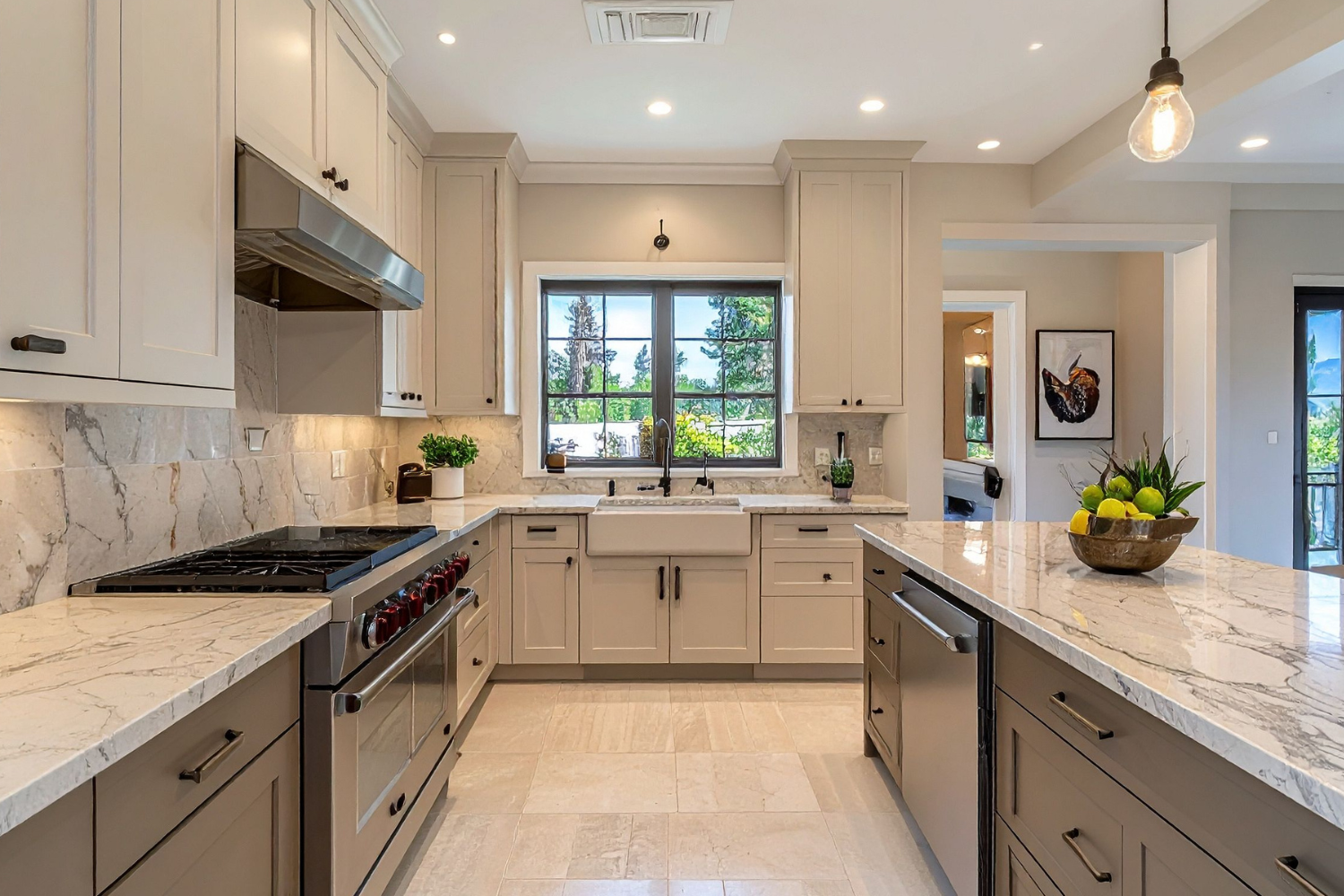
Not every home improvement carries the same weight in the eyes of potential buyers.
In this article, you'll learn why some updates consistently attract attention while others have little influence, how buyers often evaluate a home's condition as a whole rather than room by room, and why the best improvements are often the ones that make a home feel well cared for rather than simply expensive.
Looking Beyond the Price Tag
One of the most common questions homeowners ask before selling is, "Should I update my home first?"
It's an understandable question. After all, home improvement shows often make it seem as though replacing countertops, remodeling bathrooms, or installing the latest design trends automatically leads to higher offers and quicker sales.
Real estate is usually more nuanced than that.
While certain improvements can certainly make a property more appealing, buyers rarely judge a home based on one feature alone. Instead, they tend to form an overall impression within minutes of walking through the front door. That impression is shaped by a combination of condition, maintenance, functionality, cleanliness, and presentation.
Understanding what buyers typically notice can help homeowners think more strategically about preparing a home for the market. Rather than asking, "What should I renovate?" it may be more helpful to ask, "What will help buyers feel confident about this home?"
That shift in thinking often leads to better decisions.
Buyers Often Notice Condition Before They Notice Luxury
It's easy to assume that expensive upgrades make the biggest impression.
Sometimes they do.
But many buyers first notice something much simpler: whether the home appears to have been cared for over time.
A home with modest finishes that is exceptionally clean, well maintained, and thoughtfully presented often leaves a stronger impression than a home filled with luxury materials but obvious deferred maintenance.
Buyers tend to notice details such as:
* Peeling paint
* Worn flooring
* Damaged trim
* Stained ceilings
* Broken fixtures
* Doors that stick
* Windows that don't operate properly
* Signs of water damage
* General cleanliness
These items may seem small individually, but together they help shape a buyer's confidence. When maintenance appears consistent, buyers often assume the rest of the home has received similar care.
Conversely, visible maintenance issues can cause buyers to wonder what they cannot see.
That doesn't necessarily mean something is wrong. It simply illustrates how people naturally evaluate risk when making one of the largest purchases of their lives.
Kitchens and Bathrooms Still Matter, But Context Matters More
For decades, kitchens and bathrooms have received much of the attention in real estate discussions.
There's good reason for that.
These rooms are among the most frequently used spaces in a home and are often expensive to renovate. Buyers naturally pay close attention to their layout, functionality, storage, lighting, and overall condition.
However, that doesn't automatically mean every seller should undertake a major remodel before listing.
Sometimes a complete renovation makes sense.
Other times, thoughtful improvements can have a meaningful impact without replacing everything.
Examples might include:
* Updating outdated hardware
* Improving lighting
* Repairing damaged cabinets
* Replacing worn faucets
* Refreshing paint
* Repairing grout or caulking
* Replacing damaged flooring where appropriate
The goal isn't necessarily to create a luxury kitchen.
It's often to present a space that feels clean, functional, and well maintained.
Buyers Value Function Just as Much as Appearance
A beautiful room can certainly capture attention.
But buyers also evaluate how a home works.
Does the layout make sense?
Is there adequate storage?
Are rooms easy to furnish?
Do closets provide useful space?
Is the laundry conveniently located?
Can multiple people comfortably use the kitchen?
Functionality affects daily living in ways that decorative finishes cannot.
Many buyers recognize that paint colors and light fixtures can eventually be changed. A difficult floor plan or impractical layout is often more challenging and expensive to modify.
That is one reason buyers frequently consider both aesthetics and usability when comparing homes.
Curb Appeal Creates the First Impression
Long before buyers evaluate countertops or flooring, they experience the exterior.
The condition of the front yard, driveway, landscaping, entryway, siding, and front door begins shaping expectations before anyone steps inside.
This is often referred to as curb appeal.
Strong curb appeal doesn't necessarily require elaborate landscaping or extensive renovations.
Often it comes from thoughtful maintenance:
* Healthy landscaping
* Fresh mulch
* Trimmed shrubs
* Clean walkways
* Pressure-washed surfaces
* A well-maintained lawn
* Attractive exterior lighting
* A welcoming front entry
These improvements can help communicate that the property has been cared for, setting a positive tone before the showing even begins.
Energy Efficiency Is Becoming More Noticeable
Many buyers today also pay attention to features that may affect long-term operating costs.
While every buyer has different priorities, items such as newer windows, updated insulation, modern HVAC systems, energy-efficient appliances, and programmable thermostats may become part of the overall conversation.
Some buyers actively seek these features because they value lower utility costs.
Others appreciate the possibility of reduced future maintenance.
It's important to remember that these improvements are often evaluated differently depending on the local market, the age of the home, and buyer expectations within a particular price range.
---
Storage Quietly Influences Buying Decisions
Storage isn't always the first thing buyers mention after touring a home.
Yet it often influences how practical a home feels.
Closets, pantries, garage organization, linen storage, attic access, basement storage, and built-in shelving all contribute to the overall perception of usable space.
Even when a home's square footage cannot be changed, organizing and decluttering existing storage areas can help buyers better understand how the space might function for them.
A crowded closet often appears smaller than it really is.
An organized one allows buyers to visualize its full potential.
Neutral Doesn't Mean Boring
Personal style makes a house feel like home.
But when preparing to sell, many homeowners begin thinking about how easily others can imagine themselves living there.
Neutral colors, simple décor, and uncluttered spaces often help buyers focus on the home's features rather than the current owner's personal taste.
That doesn't mean every room must look identical or lack personality.
Rather, the goal is often to create an environment where buyers can more easily picture how they would use the space.
Presentation and staging are not about removing character.
They're about allowing the home's character to be more easily seen.
Not Every Improvement Adds Equal Value
One of the biggest misconceptions in real estate is that every dollar spent on renovations will automatically be reflected in the sale price.
Real estate markets rarely work that way.
The value buyers place on improvements depends on many factors, including:
* The surrounding neighborhood
* The home's price range
* Buyer expectations in that market
* The quality of the work performed
* The age of the home
* Overall market conditions
* Whether improvements align with what buyers in that area typically expect
An extensive renovation that makes sense in one neighborhood may have less impact in another.
Similarly, highly customized upgrades that perfectly match one homeowner's preferences may not appeal equally to future buyers.
This is one reason many homeowners benefit from discussing potential improvements with a local real estate professional before investing significant money. Understanding what buyers typically expect within a specific market can help owners make more informed decisions.
The Best Improvements Often Build Buyer Confidence
When people think about updates, they often picture dramatic before-and-after transformations.
In reality, many buyers are simply looking for reassurance.
They want confidence that the home has been cared for.
They want confidence that deferred maintenance has been addressed.
They want confidence that they won't immediately inherit a long list of unexpected repairs.
That confidence is often created through dozens of small impressions working together rather than one spectacular renovation.
A home doesn't need to be perfect.
It simply needs to communicate that it has been responsibly maintained and thoughtfully presented.
Questions to Consider
Before deciding whether to update your home before selling, you might consider:
* Which areas of my home would buyers likely notice first?
* Are there maintenance issues that should be addressed before cosmetic improvements?
* Do my planned updates fit the expectations of homes in my neighborhood?
* Would buyers likely benefit more from a refreshed presentation than a major renovation?
* Have I spoken with a local real estate professional before making significant investments?
Final Thoughts
Preparing a home for sale is rarely about chasing trends or creating a magazine-worthy renovation.
More often, it's about helping buyers feel comfortable, confident, and able to picture themselves living in the home.
The updates that matter most are often those that improve condition, functionality, and overall presentation. While every market is different, buyers generally appreciate homes that feel clean, cared for, and ready for their next chapter.
Understanding these broader principles can help homeowners make thoughtful decisions while avoiding unnecessary expenses that may not meaningfully influence a future sale.
Let's Talk
Every home has its own strengths, challenges, and opportunities. If you're wondering which improvements may be worth considering before you sell, I'd be happy to walk through your property with you and discuss what buyers in our local market typically notice. If specialized expertise is needed, I can also connect you with trusted local professionals who can provide guidance specific to your situation.
Real Estate With Long-Term Vision.
Ri The Realtor
Important Disclosure
The information in this article is provided for general educational purposes only.
Every home and every situation is unique. This article is intended to provide general information and should not be considered legal, tax, financial, engineering, construction, or other professional advice.
If your situation requires specialized guidance, I'm happy to connect you with trusted local professionals who can provide advice specific to your circumstances.